Mold often develops in areas where moisture, limited ventilation, and organic building materials are present. Bathrooms, kitchens, laundry rooms, attics, crawl spaces, and utility areas are especially vulnerable because they regularly experience humidity, condensation, leaks, or water use.
What begins as a small patch on a wall or ceiling may indicate a larger moisture problem behind the surface. Mold can spread into drywall, insulation, flooring, cabinets, framing, and other materials if the source is not corrected.
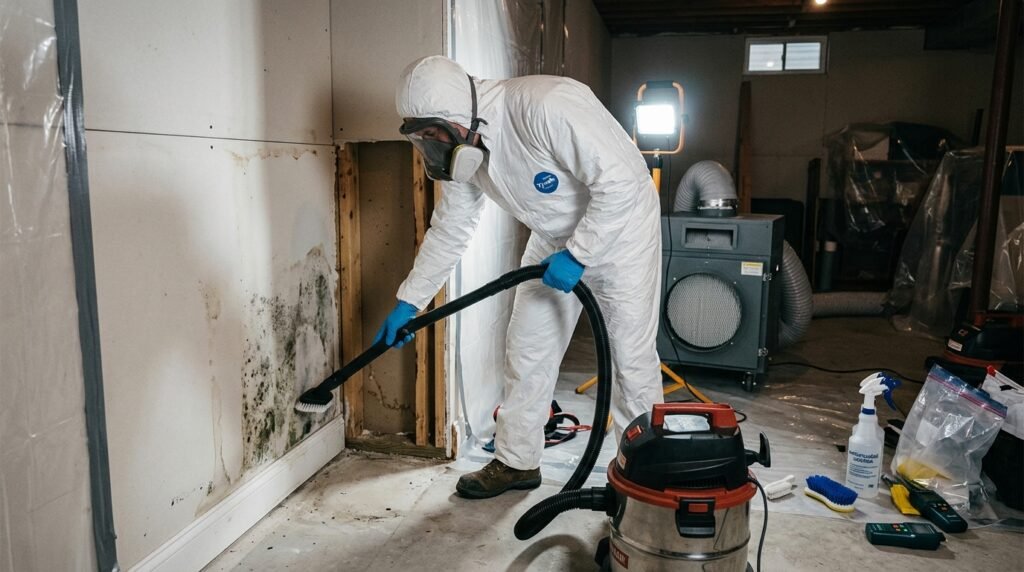
Professional mold removal and remediation focuses on more than cleaning visible growth. It includes locating moisture, containing affected areas, removing damaged materials, cleaning salvageable surfaces, drying the structure, and restoring the property.
SOS Restoration of Santa Clara County provides mold removal and remediation services for homes and businesses. A controlled remediation process helps address both the visible contamination and the conditions that allowed mold to develop.
Why Certain Areas Are More Vulnerable to Mold
Mold requires moisture to grow. Areas that are frequently exposed to water or humidity are more likely to develop problems, especially when airflow is limited.
Common risk factors include:
- Plumbing leaks
- Roof leaks
- Poor ventilation
- High indoor humidity
- Condensation
- Appliance leaks
- Water intrusion
- Incomplete drying after water damage
- Damaged seals or grout
- Clogged drainage systems
When moisture remains trapped inside porous materials, mold may continue growing even if the surface appears dry.
Mold in Bathrooms
Bathrooms are one of the most common places for mold because of steam, frequent water use, and enclosed spaces.
Mold may develop around:
- Showers
- Bathtubs
- Toilets
- Vanities
- Ceilings
- Exhaust fans
- Baseboards
- Window frames
- Wall corners
A lack of ventilation can allow moisture to remain on walls and ceilings after showers. Damaged caulk, cracked grout, or leaking plumbing connections can also allow water to enter behind tile or drywall.
Visible mold around a shower may be limited to the surface, but recurring growth may indicate moisture behind the wall or beneath the flooring.
Professional remediation helps determine whether the problem is cosmetic or connected to hidden water damage.
Mold in Kitchens
Kitchens contain several water sources, making them another common location for mold.
Possible sources include:
- Sink plumbing
- Dishwashers
- Refrigerators
- Ice maker lines
- Water filtration systems
- Garbage disposals
- Supply lines
Leaks beneath sinks can remain unnoticed because the area is hidden inside a cabinet. Moisture may damage the cabinet base, drywall, flooring, and wall behind the plumbing.
Dishwasher leaks can also spread beneath flooring or nearby cabinets. In some cases, the visible signs may not appear until materials begin swelling or developing an odor.
Common warning signs include:
- Swollen cabinet panels
- Dark staining
- Musty smells
- Dampness beneath the sink
- Loose flooring
- Peeling cabinet finishes
- Soft drywall
- Recurring moisture
A complete mold remediation process should address the leak and evaluate all surrounding materials.
Mold in Laundry Rooms
Laundry rooms can develop mold because of washing machine leaks, drain problems, condensation, and poor airflow.
Washing machine hoses may crack, loosen, or fail. Drain lines can overflow or leak behind the appliance. Because washing machines often sit close to walls, water may remain hidden beneath or behind them.
Dryer ventilation problems can also contribute to humidity. When warm, moist air is not vented properly, condensation may collect on walls, ceilings, and nearby surfaces.
Property owners should inspect:
- Washing machine hoses
- Drain connections
- Walls behind appliances
- Flooring beneath the machine
- Dryer vents
- Utility sinks
- Baseboards
Any musty odor or recurring dampness should be investigated promptly.
Mold in Attics
Attic mold may develop because of roof leaks, poor ventilation, blocked vents, or condensation.
Warm indoor air can rise into the attic and meet colder surfaces. When moisture condenses on roof decking or framing, mold may begin growing on wood materials.
Attic mold may affect:
- Roof decking
- Rafters
- Trusses
- Insulation
- Stored belongings
- Ventilation components
Signs of attic mold may include dark discoloration on wood, damp insulation, musty odors, or staining on ceilings below.
Because attics are often difficult to access, mold may spread before the property owner becomes aware of the problem.
Roof repairs alone may not be enough. Wet insulation, framing, and other materials must also be evaluated and dried.
Mold in Crawl Spaces
Crawl spaces are vulnerable to mold because they may experience ground moisture, plumbing leaks, poor ventilation, drainage problems, and condensation.
Mold in a crawl space may affect:
- Floor joists
- Subflooring
- Insulation
- Wood supports
- Plumbing lines
- Foundation materials
Moisture in a crawl space can also affect the rooms above it. Musty odors may move into the living area through gaps, vents, and floor penetrations.
A remediation plan may include correcting drainage, repairing leaks, removing damaged insulation, cleaning structural surfaces, and controlling humidity.
Mold Around Windows and Exterior Walls
Condensation often develops around windows when warm indoor air meets a cold surface. Damaged seals may also allow rainwater to enter around the frame.
Repeated moisture can lead to mold on:
- Window trim
- Drywall
- Wood framing
- Curtains
- Blinds
- Baseboards
- Nearby flooring
Exterior walls may also be affected by damaged siding, flashing, or waterproofing.
Cleaning visible mold around a window may not solve the issue if water continues entering the wall. The source must be identified and repaired.
Why Mold Keeps Returning
Recurring mold usually indicates that the underlying condition has not been corrected.
Common reasons include:
- An active plumbing leak
- Ongoing roof damage
- Poor ventilation
- High humidity
- Wet materials behind walls
- Condensation
- Incomplete water damage restoration
- Moisture beneath flooring
- Improper surface cleaning
Painting or applying household cleaning products may hide the problem temporarily, but mold can return when moisture remains.
Professional remediation focuses on identifying the source and treating the affected materials properly.
The Importance of a Professional Assessment
A professional mold assessment helps determine where contamination is present and how far moisture has spread.
The inspection may include:
- Visual examination
- Moisture readings
- Inspection of adjacent rooms
- Evaluation of plumbing and appliances
- Checking walls, ceilings, and flooring
- Review of previous water damage
- Assessment of ventilation and humidity
The findings are used to create a remediation plan based on the specific property and affected materials.
Containment During Mold Remediation
Containment helps prevent mold particles and dust from moving into unaffected areas during removal and cleaning.
Depending on the project, containment may include:
- Plastic sheeting
- Sealed doorways
- Covered vents
- Controlled entry points
- Negative air pressure
- HEPA air filtration
- Restricted access
Containment is especially important when removing drywall, flooring, insulation, or cabinets.
Without proper control, demolition can spread contamination beyond the original work area.
Removing Mold-Affected Materials
Some materials can be cleaned and retained. Others may need to be removed because they are porous, damaged, or heavily contaminated.
Materials that may require removal include:
- Drywall
- Carpet padding
- Insulation
- Ceiling tiles
- Wallpaper
- Particleboard
- Damaged baseboards
- Composite cabinets
- Water-damaged flooring
Material removal also provides access to hidden framing and structural surfaces that require cleaning.
Cleaning Salvageable Surfaces
Structural materials that remain in good condition may be cleaned using professional remediation techniques.
The process may involve:
- HEPA vacuuming
- Surface wiping
- Detailed scrubbing
- Controlled abrasion
- Removal of dust and residue
- Odor-control treatment
- Cleaning of exposed framing
The cleaning method depends on the material and level of contamination.
Drying and Moisture Control
After cleaning and material removal, the affected area must be dried thoroughly.
Commercial air movers and dehumidifiers may be used to reduce moisture in both the building materials and indoor air.
Technicians may monitor:
- Wood framing
- Subflooring
- Walls
- Ceilings
- Cabinets
- Concrete
- Indoor humidity
Repairs should not begin until the structure is dry. Installing new materials over damp surfaces can allow mold to return.
Restoring the Affected Area
After remediation and drying are complete, reconstruction can begin.
Restoration may include:
- Replacing drywall
- Installing insulation
- Repairing flooring
- Replacing baseboards
- Painting
- Repairing cabinets
- Restoring ceilings
- Matching texture and finishes
The goal is to return the space to a clean, dry, and functional condition.
Preventing Mold in Moisture-Prone Areas
Property owners can reduce the risk of mold by controlling moisture and maintaining areas where water is frequently used.
Helpful preventive steps include:
- Using bathroom exhaust fans
- Repairing leaks immediately
- Inspecting appliance hoses
- Maintaining roof and gutter systems
- Cleaning HVAC drain lines
- Monitoring indoor humidity
- Replacing damaged caulk
- Checking cabinets beneath sinks
- Improving attic ventilation
- Investigating musty odors
- Drying wet areas quickly
Regular inspections are especially important in bathrooms, kitchens, laundry rooms, attics, and crawl spaces.
Professional Mold Removal and Remediation in Santa Clara County
Mold can develop in both visible and hidden areas when moisture remains inside a property. Bathrooms, kitchens, laundry rooms, attics, crawl spaces, and exterior walls are especially vulnerable.
SOS Restoration of Santa Clara County provides professional mold removal and remediation for residential and commercial properties. Our team identifies moisture sources, contains affected spaces, removes damaged materials, cleans salvageable surfaces, dries the structure, and prepares the area for restoration.
When mold returns after cleaning or a musty odor suggests hidden growth, the problem should be addressed at its source. Contact SOS Restoration of Santa Clara County for professional mold removal and remediation services.