
SOS Restoration Of Santa Clara County provides structural drying to help you address moisture in building materials after water damage.
- ✓ Open 24 hours, 7 days a week
- ✓ Serving Santa Clara County, Alameda County, San Mateo County and 57 more areas
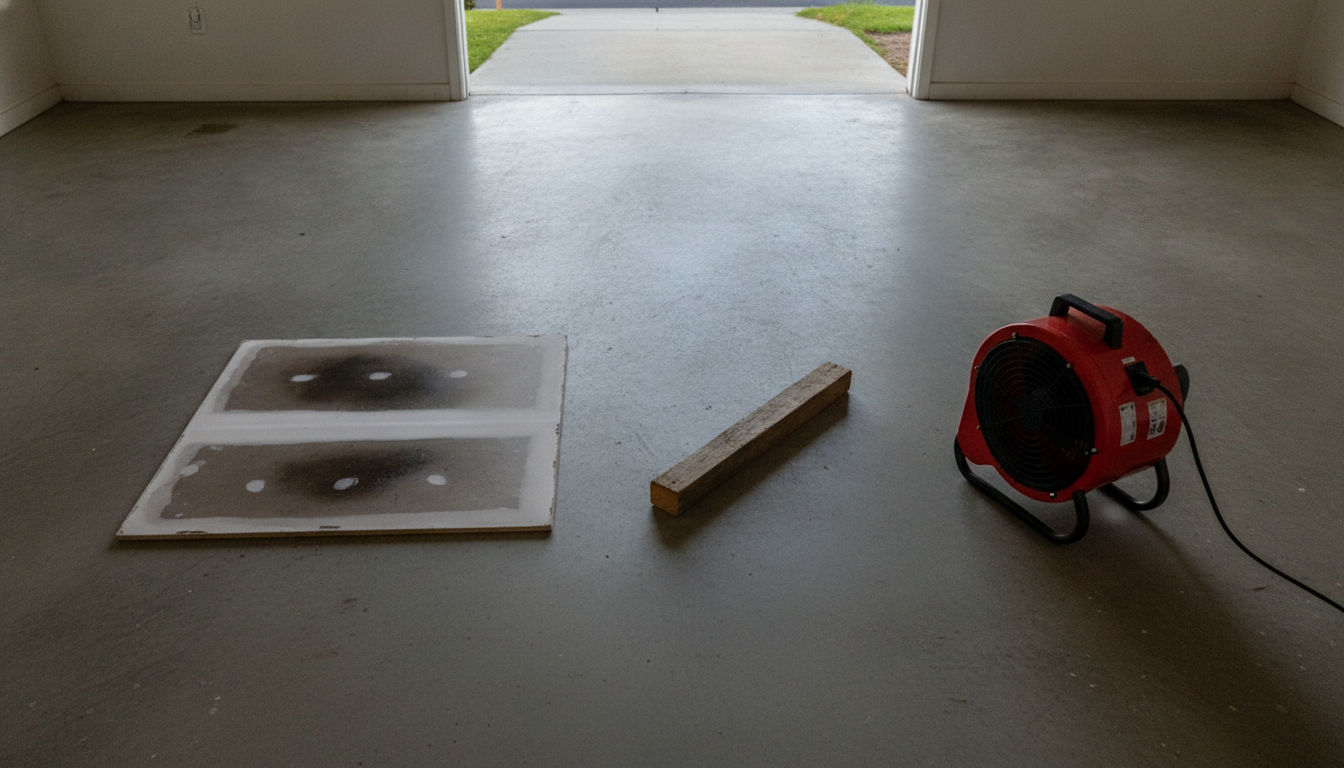
Drying the Structure, Not Just the Surface
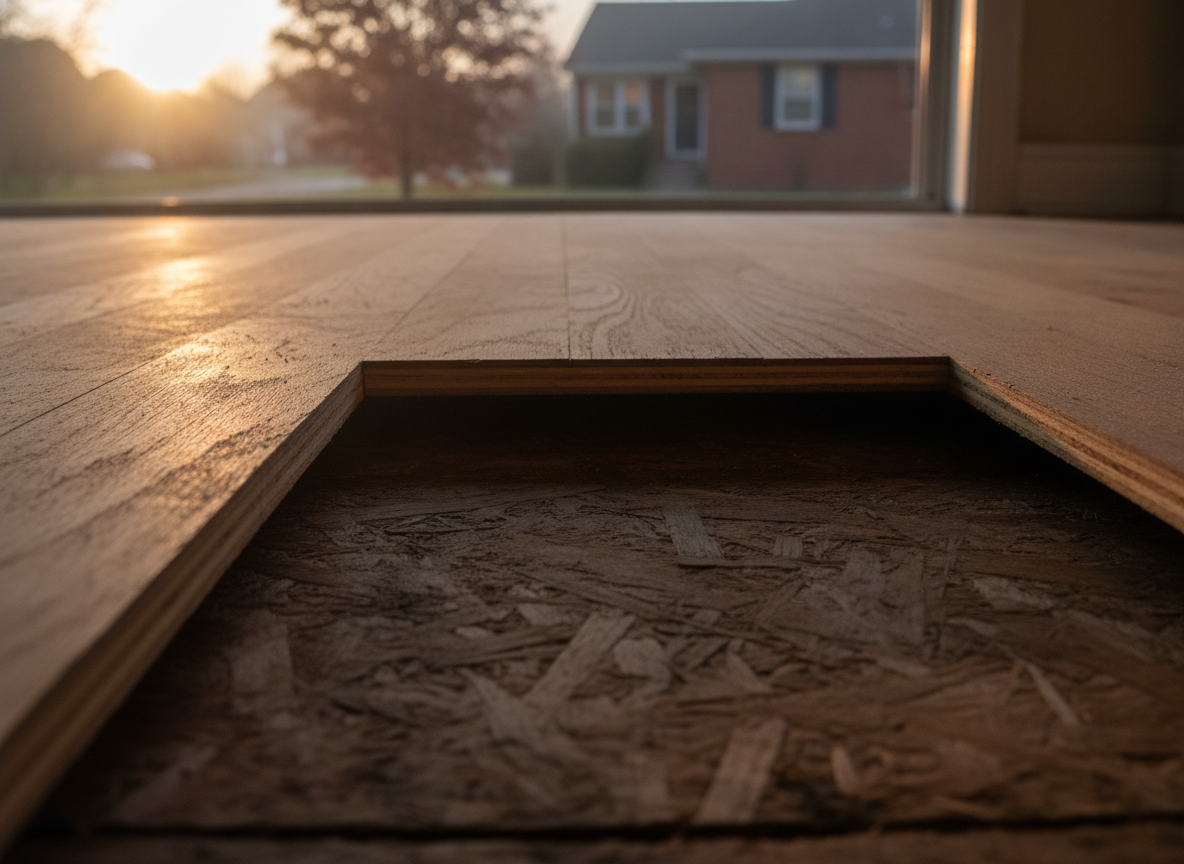
Removing visible water is not always the end of a water-damage problem. Building materials can retain moisture even when exposed surfaces look dry. Structural drying focuses on that remaining moisture rather than treating a dry-looking floor or wall as proof that the job is complete.
The work is about understanding where moisture remains and helping affected materials dry. The approach depends on the materials involved, how far the water traveled, and whether moisture is accessible or trapped within the structure.
When Structural Drying May Be Needed
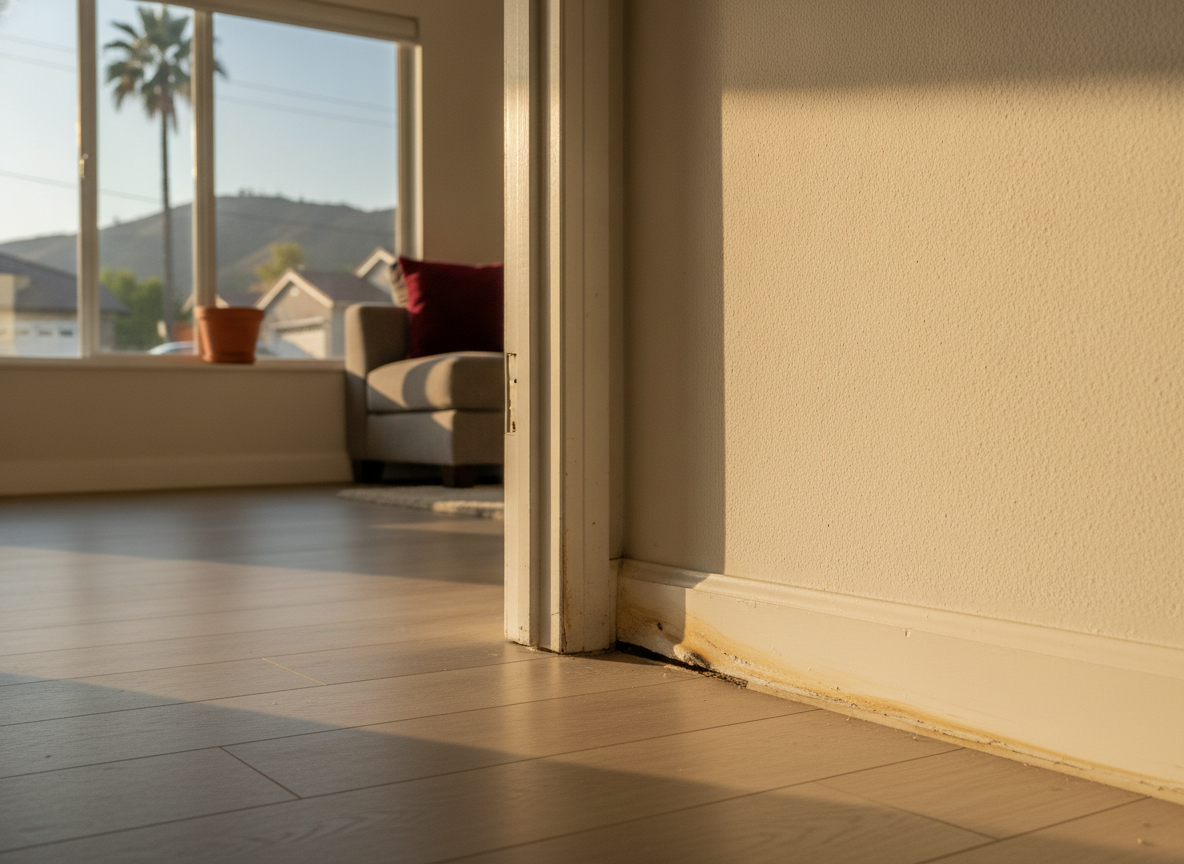
Structural drying may be relevant after water has affected walls, floors, ceilings, or other parts of a building. Damp surfaces, staining, swelling, or a persistent musty smell can be reasons to ask about moisture conditions. None of these signs, on its own, establishes how extensive the problem is.
You do not need to know the full extent of the damage before asking for help. If visible water is gone but you are concerned about what remains in the structure, structural drying is a service to discuss. Appearance alone cannot reliably tell you whether materials have dried throughout.
What the Work Generally Involves
Every property and water-damage situation is different, but structural drying generally follows a few connected stages:
Understand the affected area
Identify which building materials may contain moisture and where further checking is needed.
Consider access and material condition
Determine whether affected materials can be reached and whether drying them is appropriate.
Support moisture removal
Establish conditions that allow moisture to leave affected materials rather than remain trapped.
Check drying progress
Use moisture information to judge progress instead of relying only on how surfaces look or feel.
These stages explain the purpose of the work, not a fixed plan for every building. The condition of the property determines which steps are relevant and how they fit together.
What Affects the Scope and Timing
Drying time can vary with the amount of moisture, the type and thickness of the materials, access to affected areas, and surrounding conditions. Moisture beneath flooring or behind a wall can present different challenges from moisture on an exposed surface.
Whether the source of the water has been addressed also matters. Continued water entry can undermine drying efforts. Before agreeing to work, it is useful to discuss what areas are affected, what the proposed scope covers, and how completion will be evaluated.
Why Choose SOS Restoration Of Santa Clara County?
SOS Restoration Of Santa Clara County offers structural drying alongside moisture detection, water extraction, dehumidification, and repairs and reconstruction. That makes structural drying part of its recorded range of water-damage-related services.
The business has a rating of 5 from 7 reviews. When discussing your project, ask about the proposed drying work and how it relates to the condition of your property so you can make an informed decision.
Frequently Asked Questions
Is structural drying necessary if the floor feels dry?
A dry-feeling surface does not necessarily mean the materials beneath or around it are dry. Whether structural drying is needed depends on the remaining moisture and the affected materials.
How long does structural drying take?
There is no single drying time that applies to every property. Material type, moisture levels, access, and environmental conditions all influence the duration. Ask for an estimate based on your situation.
Can every wet material be dried and kept?
Not necessarily. A material’s condition and the nature of the damage affect whether drying is appropriate. Drying and deciding whether a material can remain are related but separate considerations.
How much will the work cost?
Cost depends on the scope of the affected area and the work required. Discuss the proposed scope and request pricing for your property before authorizing the work.
Discuss Structural Drying for Your Property
Contact SOS Restoration Of Santa Clara County to discuss your structural drying needs, ask questions about the work, and request project-specific pricing.
Areas we serve
- ● Santa Clara County
- ● Alameda County
- ● San Mateo County
- ● Santa Cruz County
- ● San Benito County
- ● Campbell
- ● Cupertino
- ● Gilroy
- ● Los Altos
- ● Los Altos Hills
- ● Los Gatos
- ● Milpitas
- ● Monte Sereno
- ● Morgan Hill
- ● Mountain View
- ● Palo Alto
- ● San Jose
- ● Santa Clara
- ● Saratoga
- ● Sunnyvale
- ● Alameda
- ● Albany
- ● Berkeley
- ● Dublin
- ● Emeryville
- ● Fremont
- ● Hayward
- ● Livermore
- ● Newark
- ● Oakland
- ● Piedmont
- ● Pleasanton
- ● San Leandro
- ● Union City
- ● Atherton
- ● Belmont
- ● Brisbane
- ● Burlingame
- ● Colma
- ● Daly City
- ● East Palo Alto
- ● Foster City
- ● Half Moon Bay
- ● Hillsborough
- ● Menlo Park
- ● Millbrae
- ● Pacifica
- ● Portola Valley
- ● Redwood City
- ● San Bruno
- ● San Carlos
- ● San Mateo
- ● South San Francisco
- ● Woodside
- ● Capitola
- ● Santa Cruz
- ● Scotts Valley
- ● Watsonville
- ● Hollister
- ● San Juan Bautista