Water damage can happen suddenly or develop slowly over time. A burst pipe may flood a room within minutes, while a small roof or plumbing leak may remain unnoticed for months.
Although not every water emergency can be prevented, understanding the most common causes can help homeowners identify risks and take practical steps to protect their property.
Burst and Leaking Pipes
Pipes can leak because of corrosion, loose connections, high water pressure, freezing temperatures, physical damage, or age.
A major pipe break is usually obvious, but small leaks may develop inside walls, beneath sinks, or below flooring.
Homeowners should inspect exposed plumbing regularly and watch for stains, damp odors, reduced water pressure, or unusual water bills.
Older plumbing systems may benefit from professional inspections before serious problems occur.
Appliance Failures
Washing machines, dishwashers, refrigerators, and water heaters can release large amounts of water when hoses, seals, pumps, or supply lines fail.
Check appliance connections for cracks, bulges, corrosion, and moisture. Replace worn hoses and avoid running washing machines or dishwashers when no one is home.
Water heaters should also be inspected for rust, dripping connections, and moisture around the base.
Roof Leaks
Damaged shingles, flashing, vents, roof penetrations, and drainage systems can allow rainwater to enter the property.
Roof leaks may create ceiling stains, wet insulation, damaged drywall, and mold. In some cases, water travels along framing before becoming visible inside the home.
Roof inspections and timely repairs can help prevent larger problems.
Clogged Gutters and Downspouts
Gutters direct rainwater away from the roof and foundation. When they become clogged with leaves, dirt, or debris, water may overflow and enter walls, attics, basements, or crawl spaces.
Clean gutters regularly and make sure downspouts direct water away from the foundation.
Poor drainage near the home can also increase the risk of foundation moisture and basement water intrusion.
Toilet and Plumbing Overflows
Toilets, sinks, and bathtubs can overflow because of clogs, mechanical failures, or unattended water.
Know where the fixture shutoff valves are located and keep them accessible. Avoid flushing items that can cause blockages.
Water from a toilet overflow may be contaminated, especially if sewage is involved. Professional cleaning and sanitizing may be necessary.
Air Conditioning Problems
Air conditioning systems remove moisture from indoor air. A clogged condensate drain, damaged drain pan, or malfunctioning system can release water into ceilings, walls, or utility closets.
Inspect the area around the HVAC unit and schedule regular maintenance. Moisture near the system should be investigated promptly.
Basement and Foundation Water
Heavy rain, poor drainage, cracks, or groundwater pressure can allow water into basements and lower levels.
Signs may include damp walls, white mineral residue, musty odors, peeling paint, and standing water.
Improving exterior drainage, sealing appropriate cracks, maintaining sump pumps, and checking foundation conditions can reduce risk.
Sump Pump Failure
Homes with basements or low-lying areas may rely on sump pumps to remove groundwater.
A sump pump can fail because of power loss, mechanical problems, clogged discharge lines, or lack of maintenance.
Test the system periodically and consider a battery backup for power outages.
Hidden Plumbing Leaks
Leaks inside walls are difficult to detect. Watch for bubbling paint, warped baseboards, soft drywall, unusual odors, and unexplained water usage.
A moisture inspection can locate hidden damage before it becomes more severe.
How to Prepare for a Water Emergency
Homeowners should know the location of the main water shutoff valve. Everyone in the household should understand how to use it.
Store insurance information, emergency contacts, and important property documents in an accessible place. Consider using water leak detectors near appliances, water heaters, bathrooms, and basements.
What to Do When Water Damage Occurs
First, prioritize safety. Avoid water near electrical equipment and do not enter areas with contaminated water or unstable ceilings.
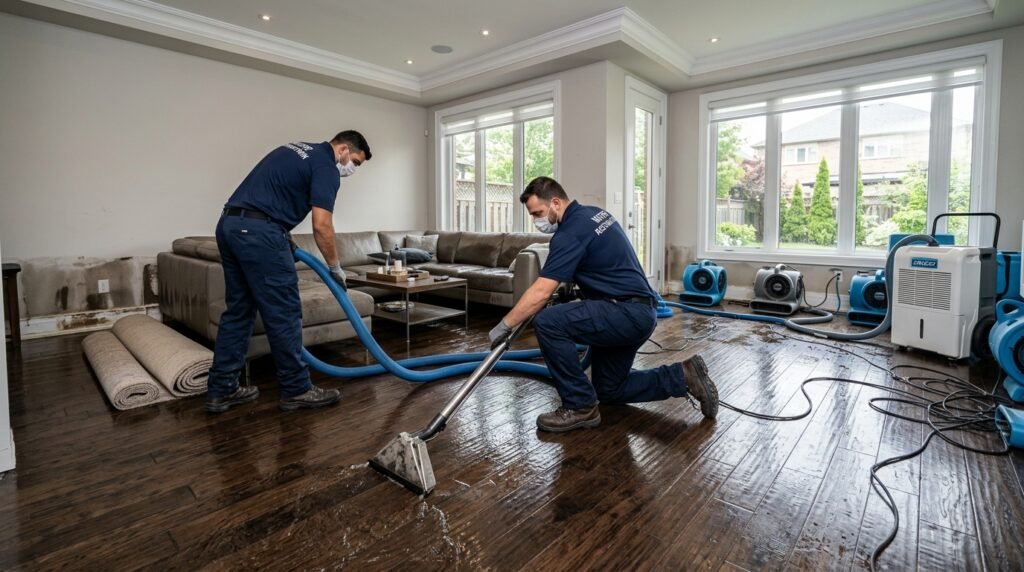
Stop the source when it is safe, document the damage, contact the insurance provider, and begin water extraction and structural drying.
Water damage restoration professionals can inspect the property, locate hidden moisture, remove standing water, dry affected materials, clean contaminated areas, and complete necessary repairs.
Preventive maintenance cannot eliminate every risk, but it can reduce the likelihood of serious water damage. Regular inspections, fast repairs, and awareness of early warning signs can help homeowners protect their property and respond more effectively when an emergency occurs.